The death toll from the catastrophic flash floods that decimated parts of Nairobi following Friday night’s torrential downpour has climbed to 28, as recovery teams navigate the grim aftermath of one of the city's deadliest weather events. While police initially confirmed 23 fatalities, the discovery of five additional bodies on Saturday evening underscored the magnitude of the disaster.
The scale of the devastation is staggering. Emergency responders, including the military and the Kenya Red Cross, managed to rescue 29 people trapped by the rising waters, yet the material and human loss remains immense. According to police reports, 71 vehicles were swept away as streets transformed into raging rivers. The Grogan area, a major industrial hub, became a scene of particular horror where bodies were recovered from wreckage submerged in the Nairobi River after it burst its banks.
The floods have displaced more than 147,000 residents, with the impact felt most acutely in densely populated informal settlements such as Mukuru, Mathare, Kibra, and Huruma. In these areas, homes were leveled and livelihoods washed away in minutes. Beyond the settlements, affluent estates including South C, South B, and sections of Westlands were not spared, reporting submerged houses and severe property damage.
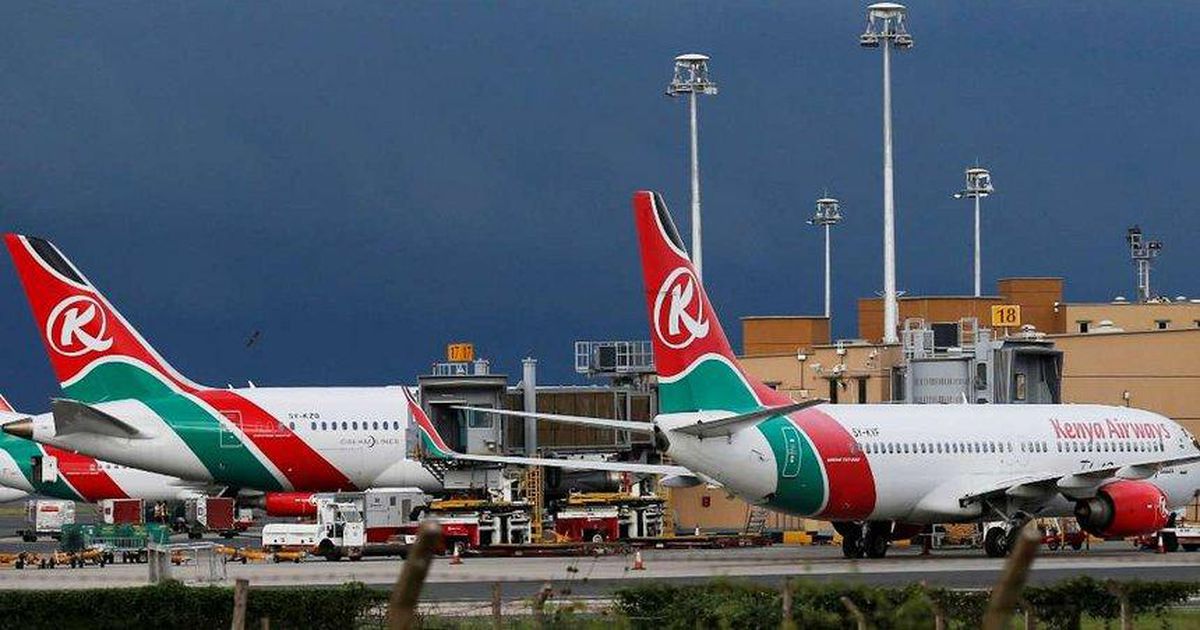
Critical infrastructure across the capital was paralyzed. Major arteries, including the Uhuru Highway and Mombasa Road, became impassable, while Jomo Kenyatta International Airport (JKIA) saw flights diverted or cancelled due to the sheer volume of water. Kenya Power reported that at least 14 neighbourhoods were plunged into darkness after a key substation was overwhelmed.
As the Kenya Meteorological Department warns that heavy rains are expected to persist, a sense of urgency remains. Search and recovery operations continue in low-lying areas, and residents have been issued a stern advisory to evacuate flood-prone zones immediately as the city braces for more potential downpours.