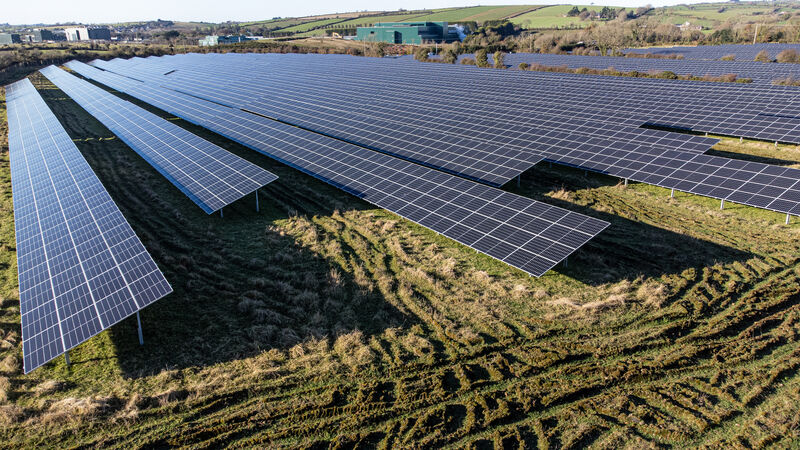
Across Africa, solar energy has evolved from a promising solution into a rapidly accelerating reality, with the continent now emerging as the world's fastest-growing solar market as of early 2026. With abundant sunshine and a dramatic surge in investment, African nations are leveraging solar technology to bridge the electricity gap for the estimated 600 million people who still lack reliable access. The year 2025 marked a historic turning point, with solar installations across the continent jumping 54% year-on-year. Africa added approximately 4.5 gigawatts (GW) of new solar capacity in a single year, doubling the number of countries that installed over 100 MW annually. This momentum is projected to continue, with experts estimating that Africa could install over 33 GW of solar capacity by 2029. While large-scale projects continue to lead, a "private transition" is underway; nearly half (44%) of new capacity now comes from distributed systems, such as rooftop solar for businesses and households. In fact, solar equipment imports suggest that the true footprint of solar in Africa may be nearly three times larger than official figures currently show.
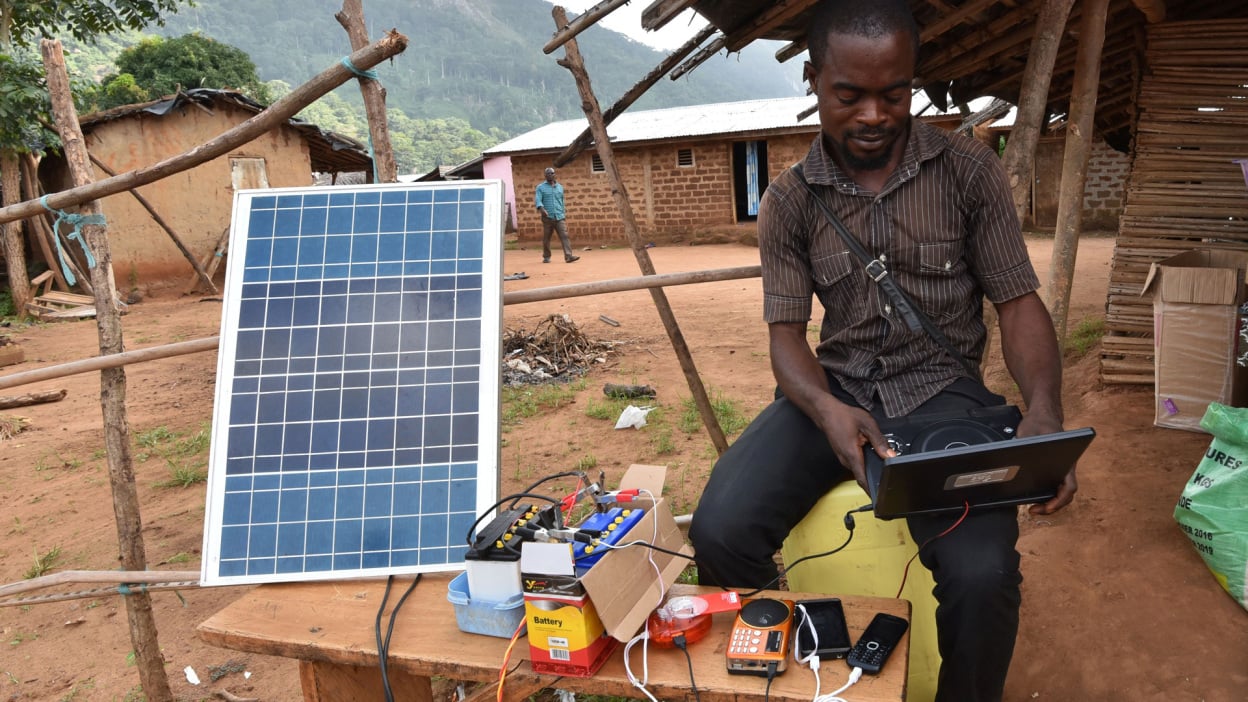
Solar mini-grids have become the primary pathway for electrifying remote areas where traditional grid expansion is too costly. These localized networks are no longer just for basic lighting; they are increasingly designed for the "productive use of energy" (PUE), powering irrigation pumps, cold storage for farmers, and small-scale manufacturing. Nigeria has emerged as a world leader in decentralized mini-grids, driven by the need to displace expensive diesel generation. In Kenya, the commissioning of solar mini-grids on islands like Wasini has provided electricity to thousands for the first time, enabling local clinics to store vaccines and schools to operate at night. The growth of home solar systems also continues to outpace expectations, fueled by falling technology costs and innovative financing. The cost of battery storage in Africa fell to $112 per kilowatt-hour in 2025, a significant drop from $144 in 2023. The Pay-As-You-Go (PAYG) model remains a cornerstone of expansion, allowing millions in East and West Africa to pay for solar equipment in small mobile-money installments.
Beyond energy access, the solar boom is a major economic engine, already employing over 65,000 people across the continent. Strategic partnerships, particularly with China, are lowering the cost of high-efficiency panels and battery systems, making solar-powered agroprocessing a viable reality for rural entrepreneurs. Countries like the Central African Republic now generate more than a third of their energy from sunlight, reducing dependence on imported fossil fuels and lowering emissions. Despite record growth, several hurdles persist, such as a significant financing gap; while clean energy investment reached nearly $40 billion in 2024, approximately 82% still comes from public or development sources. Furthermore, starting in April 2026, new tax changes for Chinese manufacturers may gradually increase the cost of solar storage batteries for African buyers. Many national utilities also struggle to integrate intermittent solar power into aging, analogue grid systems.
Meanwhile, emerging innovations such as floating solar panels on water reservoirs are also gaining traction in regions like South Africa, where they can generate electricity while also boosting water levels during dry seasons. In Kenya, the government has launched a new program to provide low-interest loans to small-scale solar farmers, aiming to increase the country's solar energy production by 20% within the next two years. As the continent continues to push for greater energy independence, the role of solar power is expected to become even more pivotal.
As Africa moves deeper into 2026, the convergence of falling costs and aggressive policy reforms positions solar as the primary engine of the continent's electrification. Initiatives like the World Bank-backed Mission 300 aim to connect 300 million people to power by 2030, with decentralized solar expected to provide half of that total. For millions of Africans, the transition to solar is no longer a distant hope but a tangible pathway to economic empowerment and a cleaner future.