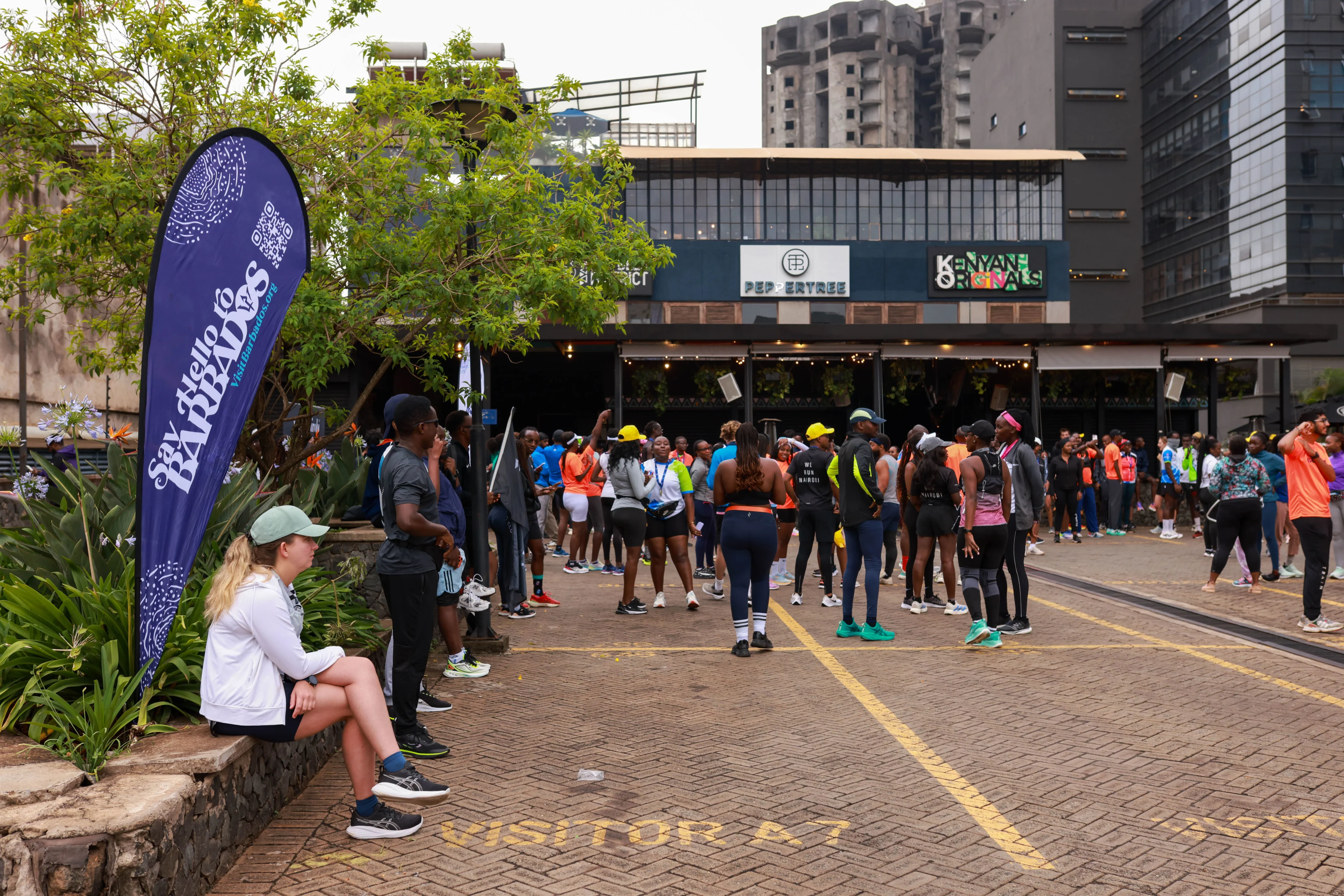
If you pass through the Southern Bypass or the leafy lanes of Loresho on a Saturday morning, you won't see the usual quiet residential streets. Instead, you’ll find hundreds of Gen Z and Millennials, clad in high-tech trainers and smartwatches, moving in rhythmic "crews."
In 2026, the primary social currency for Nairobi’s youth is no longer how late you stayed at the club in Westlands, but how early you hit the trail at Karura. This cultural pivot—dubbed the "Run-Culture Revolution"—has seen running evolve from a niche athletic activity into the city’s most influential social scene.
"Running is the new 'link-up,'" says 24-year-old fitness influencer Mercy Chepkor. "We used to meet for drinks; now we meet for 10km. You get the same endorphin rush, better networking, and zero hangover."
Community Over Competition
The shift is driven by a new wave of inclusive running communities like We Run Nairobi and Urban Swaras. Unlike the elite training camps of Iten, these city crews prioritize mental well-being and "vibes" over personal bests.
The Economic Engine
The trend is also fueling a "wellness economy." From specialized hydration hubs to post-run brunch spots in Karen, businesses are pivoting to serve the "Conscious Socializer." Even global brands have noticed, with major footwear labels launching "Nairobi Editions" to keep up with the demand.
As the city pavements fill up every weekend, one thing is clear: Nairobi isn't just a city of champions—it’s now a city of crews.